
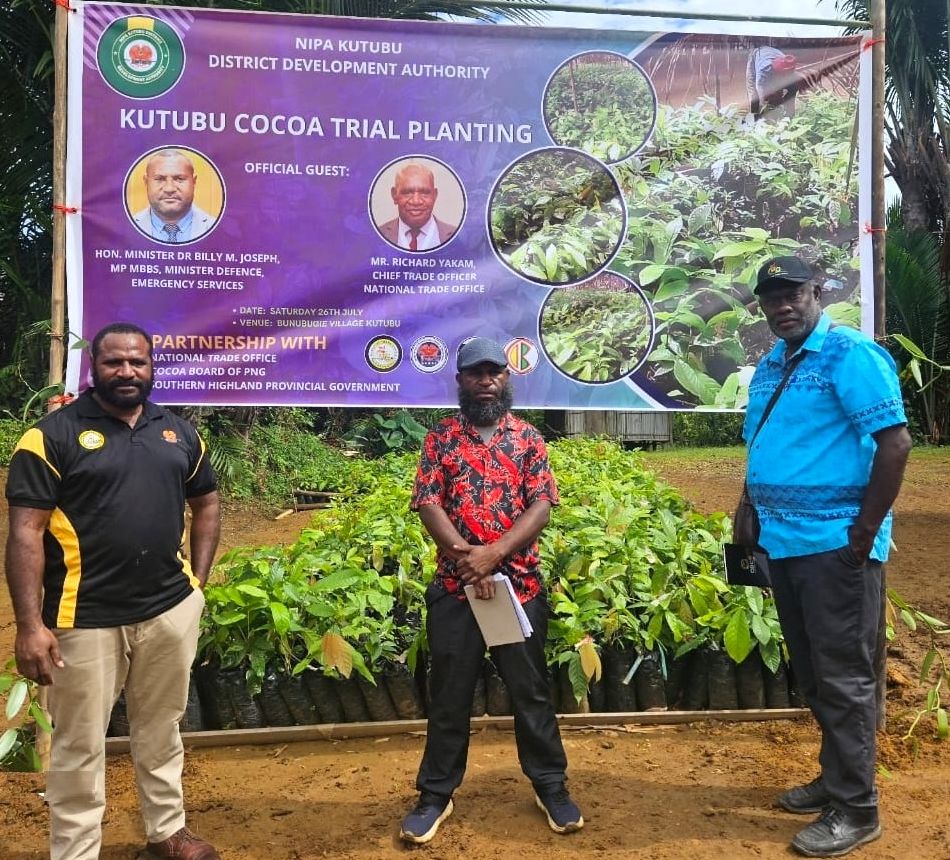
𝗞𝘂𝘁𝘂𝗯𝘂 𝗬𝗼𝘂𝘁𝗵-𝗟𝗲𝗱 𝗖𝗼𝗰𝗼𝗮 𝗮𝗻𝗱 𝗩𝗮𝗻𝗶𝗹𝗹𝗮 𝗜𝗻𝗶𝘁𝗶𝗮𝘁𝗶𝘃𝗲 𝗚𝗮𝗶𝗻𝘀 𝗚𝗿𝗼𝘂𝗻𝗱 𝘄𝗶𝘁𝗵 𝗡𝗮𝘁𝗶𝗼𝗻𝗮𝗹 𝗧𝗿𝗮𝗱𝗲 𝗢𝗳𝗳𝗶𝗰𝗲, 𝗖𝗼𝗰𝗼𝗮 𝗕𝗼𝗮𝗿𝗱, 𝗮𝗻𝗱 𝗡𝗶𝗽𝗮 𝗞𝘂𝘁𝘂𝗯𝘂 𝗗𝗗𝗔 𝗦𝘂𝗽𝗽𝗼𝗿𝘁.
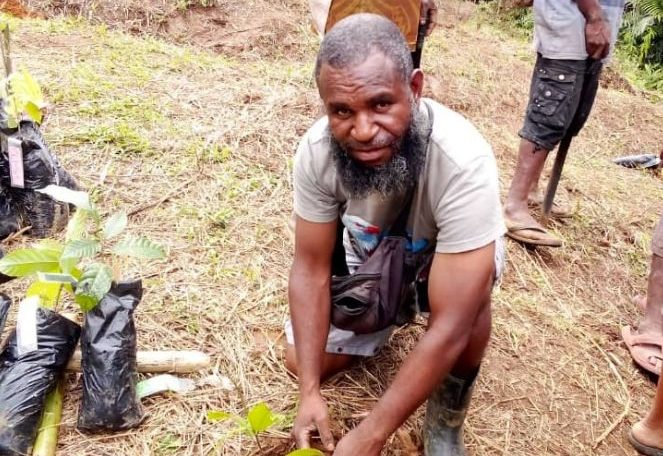
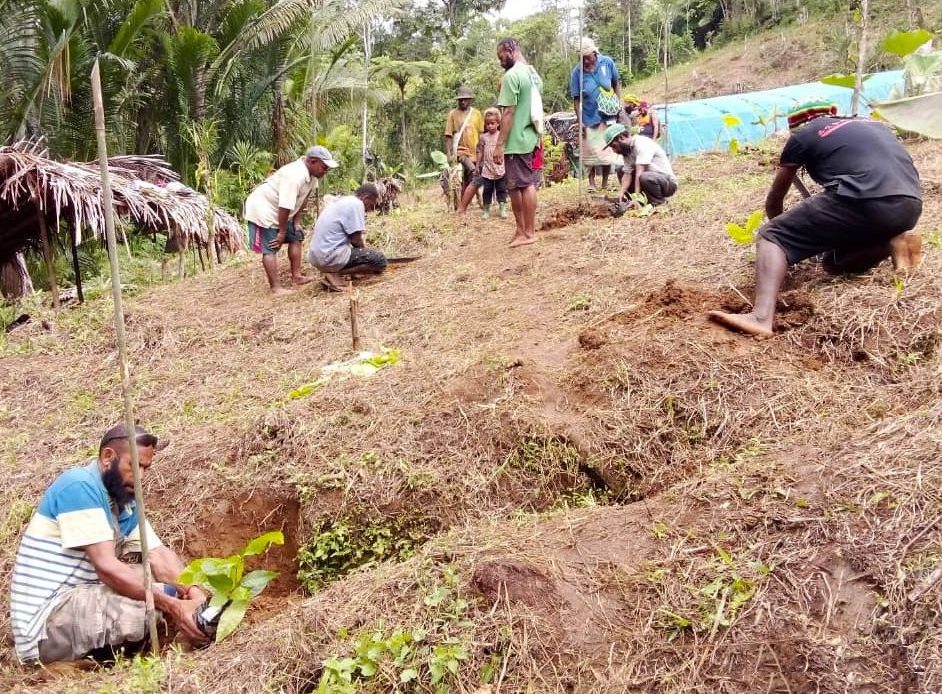
Kutubu, Southern Highlands Province – A youth-led agricultural initiative in the remote Kutubu region is setting a bold example for rural economic empowerment through the cultivation of cocoa and vanilla. The initiative, championed by local youth advocate Mr. Vincent Turaha and Mr. Kolex Igubu, continues to gain momentum with the growing support of key national institutions including the National Trade Office (NTO), the Cocoa Board of Papua New Guinea, and the Member for Nipa Kubutu Hon. Dr Billy Joseph, Minister for Defense and Emergency Services,
𝗠𝗶𝗻𝗶𝘀𝘁𝗲𝗿 𝗛𝗼𝗻. 𝗗𝗿 𝗕𝗶𝗹𝗹𝘆 𝗝𝗼𝘀𝗲𝗽𝗵 𝗕𝗮𝗰𝗸𝘀 𝗜𝗻𝗶𝘁𝗶𝗮𝘁𝗶𝘃𝗲
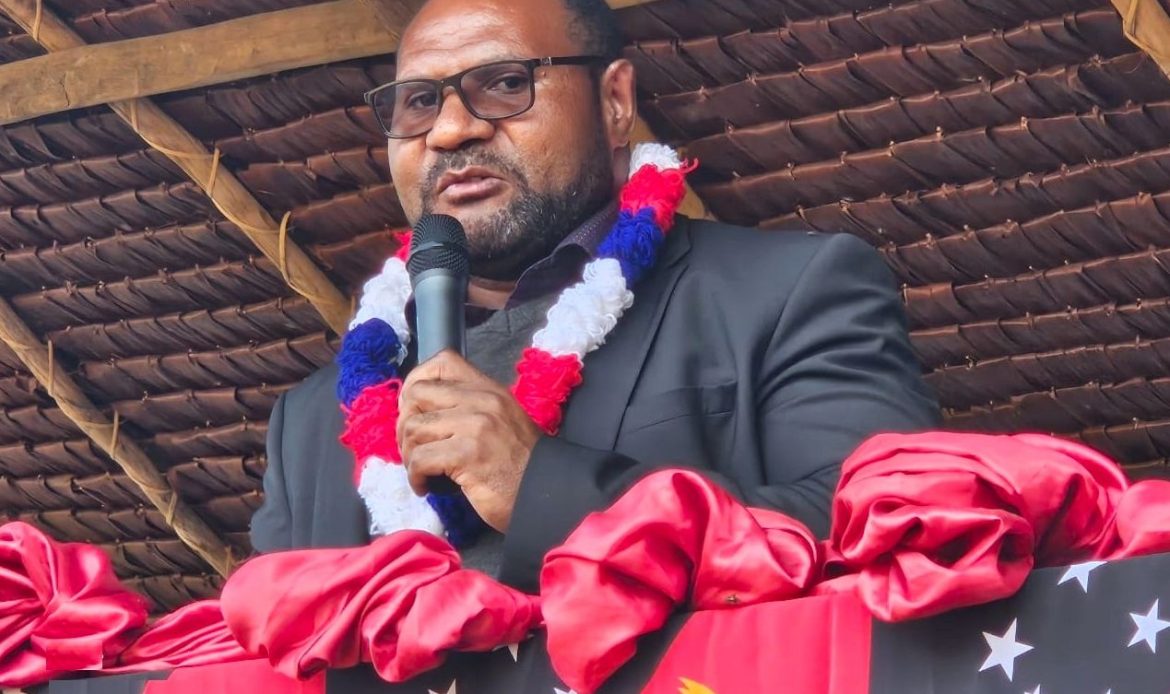
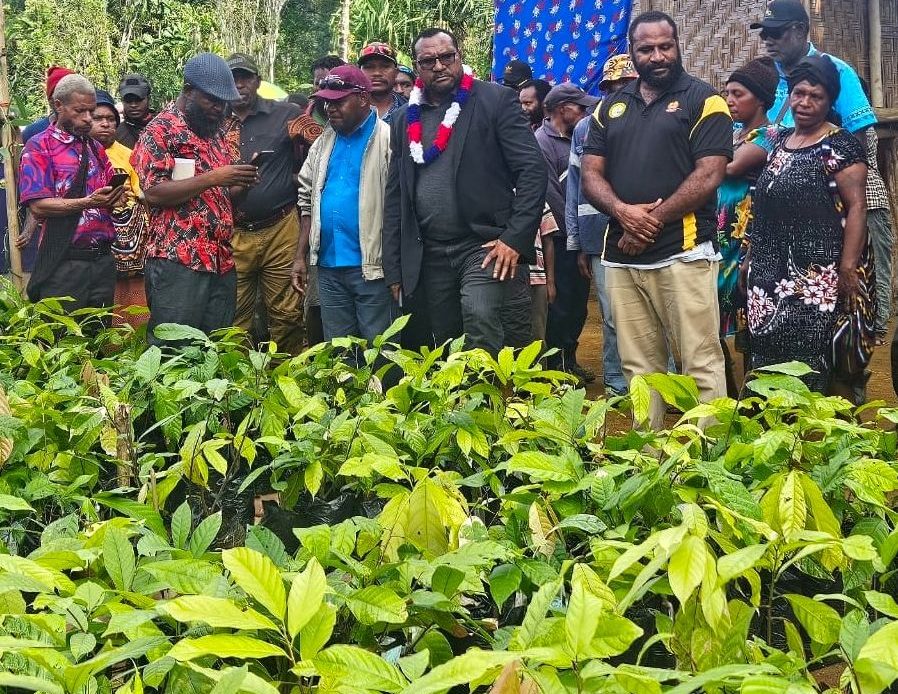
In his keynote address at the cocoa trail planting event on 28th July, Minister Billy Joseph delivered a heartfelt message of support and commitment to the Kutubu cocoa and vanilla initiative.
In acknowledging invited dignitaries from local Foe-Faso leaders and government representative from Cocoa Board of PNG and National Trade Office who contributed to making the cocoa trial planting a success. Special mention was made to the people of Orokana and youth leaders Mr. Turaha and Mr. Igubu.
“We now recognize the hard work that you do, because this is important work,” said Minister Joseph. “This kind of initiative is what we need to drive meaningful change in our communities.”
He emphasized that under the Nipa-Kutubu District Development Authority (DDA)’s Five-Year Development Plan, agriculture remains a central pillar.
“We have already started with coffee and signed a MoA with the Coffee Industry Corporation. We intend to do the same with the PNG Cocoa Board to expand cocoa as a viable cash crop in our district,” he said.
Minister Joseph highlighted the Highlands’ suitability for cocoa and vanilla farming, traditionally coastal crops.
“Our climate here is well suited for cocoa and vanilla. These crops can thrive here and provide a sustainable income for our people.”
He reassured the community of the DDA’s readiness to partner with national institutions such as the Cocoa Board and the National Trade Office to deliver practical, agriculture-based development.
“My visit here today is to show that as your local MP, I stand behind this project. I want the national institutions like the Cocoa Board and the NTO to see that we are ready and serious,” he stated.
Commending Vincent’s selfless commitment and knowledge transfer from East Sepik, he added:
“That kind of sacrifice is not easy to come by, and it deserves to be recognized. Oil and gas will one day run out, but agriculture will sustain us.”
The Minister also announced that K371 million has been secured through the Santos Tax Credit Scheme for the sealing of the Poroma-Kutubu Road, thanking the Prime Minister for supporting this infrastructure milestone.
“When the road is sealed, electricity will follow. And when we have good roads and power, our people will have access to markets, build businesses, and improve their standard of living. Infrastructure and agriculture go hand in hand. One enables the other,” he said.
He concluded by reaffirming the government’s commitment to empowering rural communities through practical, people-focused policies:
“This is just the beginning. Let us work together, grow together, and build a better future for Kutubu through agriculture.”
𝗠𝗿. 𝗩𝗶𝗻𝗰𝗲𝗻𝘁 𝗧𝘂𝗿𝗮𝗵𝗮: 𝗬𝗼𝘂𝘁𝗵 𝗟𝗲𝗮𝗱𝗲𝗿𝘀𝗵𝗶𝗽 𝗶𝗻 𝗔𝗰𝘁𝗶𝗼𝗻
Speaking earlier at the event, Mr. Vincent Turaha, Deputy Chairman and Project Coordinator of the Kutubu Vanilla Cooperative Society, shared the progress and challenges of the cocoa and vanilla project.
“We received 4,000 cocoa clones, purchased with the help of our local MP, Minister Billy Joseph. Sadly, due to poor conditions, we lost 1,360 seedlings. But we remain committed,” said Mr. Turaha.
Inspired by his time in Maprik, East Sepik Province, Mr. Turaha said:
“When prices changed, the people there adapted—between cocoa and vanilla. That stability inspired me to bring the same idea to my village.”
His passion for change stems from seeing youth in his village unemployed and vulnerable.
“Our land is sitting idle. I want young people to cultivate it, earn money, and support themselves.”
Despite initial struggles with limited support, he acknowledged how consistent effort eventually drew attention and assistance, especially from the Southern Highlands Department of Agriculture and the National Trade Office.
“Support from the Southern Highlands Department of Agriculture, led by SHPG Agriculture Advisor Mr. Kenneth Kwimb, was also acknowledged. A key contributor to the initiative’s breakthrough, Mr. Turaha said, was Mr. Kelo Yomapisi, an officer from the National Trade Office. “Mr. Yomapisi helped by writing letters to the Member, the Cocoa Board, and others. He also conducted a field survey and submitted a report to the DDA EU-STREIT and NARI. His effort helped draw attention and further support to our cause.”,” Mr. Turaha noted.
𝗡𝗮𝘁𝗶𝗼𝗻𝗮𝗹 𝗧𝗿𝗮𝗱𝗲 𝗢𝗳𝗳𝗶𝗰𝗲: 𝗟𝗶𝗻𝗸𝗶𝗻𝗴 𝗙𝗮𝗿𝗺𝗲𝗿𝘀 𝘁𝗼 𝗚𝗹𝗼𝗯𝗮𝗹 𝗠𝗮𝗿𝗸𝗲𝘁𝘀
At the event, Mr. Andrew Munap, Assistant Director for the Trade Facilitation Branch at the National Trade Office, made remarks on behalf of the Chief Trade Officer, Mr. Richard Yakam. He reaffirmed the Office’s commitment, stating:
“The National Trade Office is here to support the work that you do. Our role is to find market access for smallholder farmers who want to export their produce. While we may not always be on the ground, we are working behind the scenes to connect you to markets where your products can be sold.”
He added that it is entirely possible for “Kutubu Chocolate” to be branded and sold in international markets such as Singapore, Australia, and the United States. “It is possible,” he said, “if you commit your time and invest in your land. We are here to support this.”
The milestone project is a key initiative, especially considering that oil and gas resources—currently contributing around 20 percent—are projected to run out within the next five to ten years. This makes it critical for communities to start identifying alternative and sustainable means of supporting themselves and their families, particularly in the absence of new exploration or extensions to the current oil and gas operations in the Kutubu area.
The National Trade Office (NTO) stands ready to support the Minister, the District, and the province in exploring value-adding opportunities in the cocoa sector. This includes transforming raw cocoa into finished products such as cocoa liquor, cocoa butter, cocoa powder, and even chocolate, which can then be exported to niche international markets.
“Rules of origin and product traceability are increasing the visibility of farmers to consumers. As a result, the principles of ‘farm-to-fork’ must comply with established standards and certifications for best farming practices. These practices must be monitored and adhered to from the farmer level upwards to maintain Papua New Guinea’s reputation in the global market.”
𝗖𝗼𝗰𝗼𝗮 𝗕𝗼𝗮𝗿𝗱: 𝗦𝘁𝗿𝗮𝘁𝗲𝗴𝗶𝗰 𝗘𝘅𝗽𝗮𝗻𝘀𝗶𝗼𝗻 𝗶𝗻𝘁𝗼 𝘁𝗵𝗲 𝗛𝗶𝗴𝗵𝗹𝗮𝗻𝗱𝘀
Mr. Peter Bapiwai, Highlands Regional Cocoa Extension Manager, Cocoa Board of Papua New Guinea; emphasized that cocoa introduction in the Highlands is strategic, not experimental.
Speaking on behalf of the Board and its management, he emphasized that the introduction of cocoa into the Highlands region was not to replace coffee, but to complement it.
“The Highlands region has a narrow economic base, and for many years, coffee has been our only cash crop,” he said. “We are introducing cocoa to diversify incomes and ensure communities have alternative sources of livelihood. Especially in provinces like Southern Highlands and Hela, when the extractive industries fade away, we need a backup plan. Cocoa and vanilla farming can be that solution.”
He reaffirmed that agriculture remains the backbone of Papua New Guinea, and said the Cocoa Board is now deliberately expanding into the Highlands—not blindly, but strategically—because of the region’s rich soil and changing climate conditions that make cocoa cultivation viable.
“We know the potential cocoa holds,” Mr. Bapiwai said. “Our job as the mandated agency is to provide technical training, extension services, and regulatory oversight. This is not a trial—we are here. We’re proud of what you’ve already achieved.”
He cited Simbu Province as another successful example of a Highlands region embracing cocoa farming. He encouraged the people of Kutubu to use the new road built by their local Member of Parliament to transport harvested cocoa and vanilla to markets. “These are exportable crops. This is how we strengthen our economy,” he said.
Mr. Bapiwai also suggested formalizing the partnership by signing an MOU or MOA with the DDA, stating that the Cocoa Board is ready to collaborate and work in partnership with the district to advance cocoa development.
“You are not just starting,” he said. “You are already into it—and we are proud to stand with you.” “You are not just starting—you are already into it. We’re proud to stand with you.”
𝗔 𝗠𝗼𝗱𝗲𝗹 𝗳𝗼𝗿 𝗥𝘂𝗿𝗮𝗹 𝗧𝗿𝗮𝗻𝘀𝗳𝗼𝗿𝗺𝗮𝘁𝗶𝗼𝗻
In closing, Mr. Turaha underscored the deeper motivation behind this movement:
“We live in a resource-rich area, yet we’ve seen little benefit from oil and gas. I brought this agricultural model from Sepik so our people can earn income and build better lives.”
This Kutubu initiative now stands as a model for youth-led transformation, community resilience, and partnership-driven rural development—proving that agriculture can indeed be the backbone of inclusive economic progress in Papua New.